How to Pick the Right Plumber for Your Needs: Tips and Advice
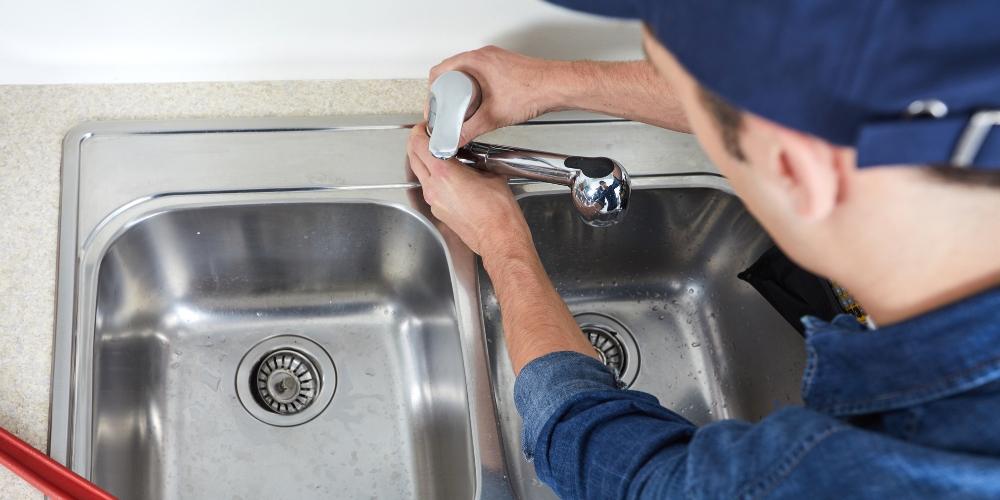
When it comes to household maintenance, few things are more urgent than plumbing issues. Whether you're dealing with a leaking tap, a burst pipe, or planning a major bathroom renovation, hiring the right plumber can make all the difference between a job well done and an expensive mess. With so many professionals available, knowing who to trust with your plumbing can feel overwhelming. That’s why choosing wisely is essential—not just for your peace of mind but also for the longevity and safety of your home’s plumbing system.
From understanding the qualifications and licensing requirements to assessing customer service and affordability, there are several key factors to consider when hiring a plumber. In this article, we’ll guide you through everything you need to know about picking the right plumber for your needs. Whether you're searching for a general service provider or a plumber, our expert tips will help ensure you make the best possible decision for your home and budget.
1. Understand Your Plumbing Needs
Before reaching out to a plumber, it’s important to understand the type of work required. Are you facing an emergency, such as a blocked drain or a leaking pipe? Or are you planning routine maintenance or a new installation? The scope and urgency of the issue will influence the kind of plumber you need.
Plumbers often specialise in different areas such as residential plumbing, commercial plumbing, gas fitting, or hot water system installations. For instance, a plumber in Springwood may offer both emergency call-outs and scheduled maintenance services, so it's helpful to communicate your needs clearly upfront.
2. Verify Licensing and Insurance
Licensing is a critical factor when choosing a plumber. A licensed plumber has undergone formal training, passed examinations, and is legally authorised to perform plumbing work in your area. In Australia, plumbing is a regulated trade, so make sure any professional you consider is registered with the relevant state authority.
Insurance is equally important. A reputable plumber will carry both public liability insurance and workers’ compensation insurance to protect both themselves and your property. This ensures that you’re not held liable in case of accidents or property damage during the work.
3. Look for Experience and Specialisation
While all plumbers undergo training, experience can separate a good plumber from a great one. A professional with years of hands-on work is more likely to identify complex issues quickly and resolve them effectively. Ask how long the plumber has been in the industry and whether they’ve handled similar jobs to yours.
Specialisation matters too. If you live in Springwood and need help with a heritage home's plumbing system, hiring a plumber from Springwood who has experience with older properties can be a huge advantage. Similarly, if you're upgrading your bathroom, a plumber with renovation experience will bring valuable insights.
4. Check References and Read Reviews
Word of mouth is one of the most reliable ways to find a trustworthy plumber. Ask friends, family, or neighbours if they can recommend someone they’ve had a good experience with. Personal recommendations often give you a more honest view of a plumber's professionalism and reliability.
Online reviews and testimonials can also offer useful information. Look up Google reviews, social media feedback, and ratings on trade websites. Pay attention to both positive and negative reviews, and note how the plumber responds to complaints—it’s a good indicator of their customer service.
5. Request Detailed Quotes and Compare Prices
Plumbing services can vary widely in cost, so it's wise to request quotes from at least three professionals before making your choice. A reputable plumber should offer a transparent, itemised quote that includes labour, materials, call-out fees, and potential extras.
Avoid choosing a plumber solely based on price. While low quotes may be tempting, they could indicate subpar materials or inexperienced labour. Likewise, high prices don't always mean high quality. Compare quotes side by side and weigh them against other factors like experience and availability.
6. Ask About Guarantees and Warranties
A good plumber stands behind their work. Whether it’s a new pipe installation or a drain repair, the best tradespeople will offer some form of guarantee or warranty. This gives you peace of mind that the job was done properly—and that if something goes wrong soon after, you’re covered.
Ask specific questions about what their warranty covers, how long it lasts, and what the process is for making a claim. A plumber who offers a strong workmanship guarantee is likely confident in the quality of their service and committed to customer satisfaction.
7. Evaluate Professionalism and Communication
How a plumber communicates with you from the first contact says a lot about their professionalism. Were they prompt in returning your call or email? Did they arrive on time for an inspection or quote? Were they courteous and informative when answering your questions?
Good communication is essential throughout the project. A reliable plumber will explain the issue, suggest appropriate solutions, and keep you updated on progress. If a plumber is vague, dismissive, or difficult to reach, it may be best to look elsewhere.
8. Consider Availability and Emergency Services
Plumbing emergencies rarely happen during business hours. That’s why availability is a key factor to consider. Some plumbers offer 24/7 emergency services, while others operate only during standard working hours.
If you live in Springwood, you may want to choose a plumber from st clair who offers after-hours services. Local availability can make a significant difference in response times during emergencies, helping to minimise damage and disruption to your home.
9. Check for Local Knowledge
A plumber familiar with your local area will have a better understanding of common plumbing issues in the region. For example, if Springwood has particular water pressure problems or older underground piping, a local expert will know how to handle these unique conditions.
Local plumbers are also more accessible and likely to be invested in their reputation within the community. A plumber will work hard to maintain good word-of-mouth, knowing that local referrals are a key source of business.
10. Go Beyond the Basics: Additional Services
Some plumbing companies offer more than just basic plumbing repairs. Look for providers that can help with gas fittings, drainage systems, hot water systems, water filtration, or bathroom renovations. Choosing a plumber with a wider skill set can simplify home maintenance down the road.
For example, if you’re planning a kitchen upgrade in Springwood, a full-service plumber Springwood could manage both water and gas connections, saving you the trouble of hiring multiple contractors.
Conclusion: Choose Smart, Choose Local
Choosing the right plumber is not just about solving a problem—it’s about preventing future issues, protecting your home, and ensuring your peace of mind. By considering factors such as licensing, experience, availability, and customer feedback, you can confidently select a plumber who meets your specific needs.
If you're looking for a plumber in Springwood who ticks all the boxes—experienced, licensed, insured, and committed to quality service—look no further than Hi Flo Plumbing. With a proven track record of excellence and a local reputation you can trust, Hi Flo Plumbing is ready to handle everything from emergencies to installations. Visit their website today to learn more or to request a free quote.
.jpg)

Comments
Post a Comment